
Drinkware Industry Insights
Powder Coating vs Ceramic Coating: Which Finish is Best?

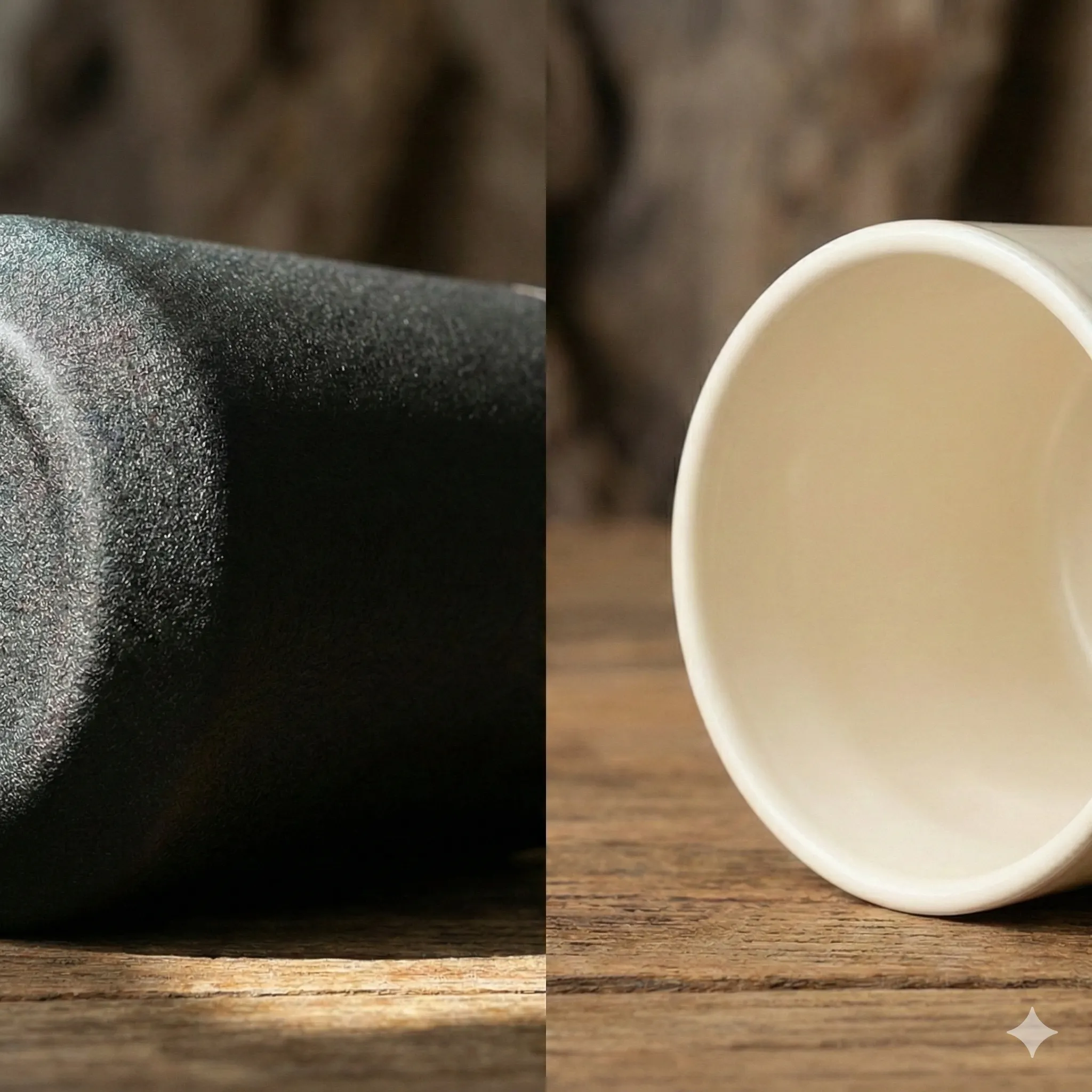
Powder Coating vs. Ceramic Coating: Which Finish Is Best for Your Brand?
The surface finish of a stainless steel tumbler is the first tactile and visual experience your customer has with your product. It directly influences perceived quality, durability expectations, and even drinking experience.
In 2025, two finishes dominate the premium drinkware market: Powder Coating and Ceramic Coating. While both offer distinct advantages, the right choice depends on your brand positioning, target customer, and usage scenarios.
What Is Powder Coating?
Powder coating is a dry-finishing process where electrically charged powder is sprayed onto the stainless steel surface and then cured under high heat. The result is a tough, uniform outer layer that bonds permanently to the metal.
Advantages of Powder Coating
Exceptional Durability
Powder-coated tumblers are highly resistant to chipping, scratching, and fading. This makes them ideal for products exposed to daily wear, outdoor activities, and frequent handling.
Enhanced Grip
The slightly textured surface provides excellent grip—even with wet or sweaty hands—making it popular for gym, hiking, and commuter bottles.
Eco-Friendly Manufacturing
Unlike traditional liquid paint, powder coating produces near-zero VOC emissions and minimal waste, aligning well with sustainability-focused brands.
Limitations
Powder coating is only suitable for exterior surfaces and cannot be applied to the interior of drinkware.
What Is Ceramic Coating?
Ceramic coating is a liquid polymer-based coating that can be applied to the interior, exterior, or both sides of a stainless steel tumbler. Once cured, it forms a smooth, inert surface layer.
Advantages of Ceramic Coating
Taste-Neutral Drinking Experience
Ceramic-lined interiors prevent the metallic taste sometimes associated with stainless steel, preserving the original flavor of coffee, tea, wine, or acidic beverages.
Easy Cleaning & Odor Resistance
The hydrophobic surface resists stains, odors, and residue buildup, making cleaning effortless and improving long-term hygiene.
Premium Look & Feel
Ceramic coatings offer a refined aesthetic, available in smooth matte or high-gloss finishes that elevate the perceived value of the product.
Limitations
Ceramic coating is generally more expensive and slightly less impact-resistant than powder coating, especially in rugged environments.
Powder Coating vs. Ceramic Coating: Quick Comparison
| Feature | Powder Coating | Ceramic Coating |
| Durability | Extremely high | Moderate |
| Grip | Textured, anti-slip | Smooth |
| Taste Neutrality | Not applicable | Excellent |
| Cleaning | Standard | Very easy |
| Cost | Lower | Higher |
| Application | Exterior only | Interior & exterior |
Which Finish Should Your Brand Choose?
Choose Powder Coating If:
- You target outdoor, fitness, or lifestyle markets
- Durability and grip are top priorities
- You want a cost-effective, dishwasher-safe solution for mass production
Choose Ceramic Coating If:
- You serve specialty coffee, tea, or premium gift markets
- Flavor purity and interior experience matter most
- Your brand positioning emphasizes luxury and refinement
Final Verdict
There is no universal “best” finish—only the right finish for your brand strategy.
Powder coating delivers unmatched durability and practicality, making it the go-to choice for rugged, everyday tumblers. Ceramic coating, on the other hand, offers a superior sensory experience and premium appeal for brands where taste and aesthetics define value.
When sourcing custom drinkware, aligning your surface finish with your customer’s lifestyle ensures better satisfaction, stronger branding, and higher repeat purchases.